Wreck & Reef Diving in the Philippines (Coron + Tubbataha)
Explore wreck dives in Coron Bay and world-class reef walls at Tubbataha Reef in the Philippines. Learn the best sites, marine life encounters, and practical liveaboard tips for both destinations.
SCUBA DIVING IN EXCITING DESTINATIONS PLUS LIVEABOARDS!
Wreck & Reef Diving in the Philippines (Coron + Tubbataha)
Coron Bay: Historical Shipwrecks & Vibrant Marine Life
Coron Bay in Palawan is famous for its collection of World War II Japanese shipwrecks, including vessels like Akitsushima, Kogyo Maru, Olympia Maru, Okikawa Maru, East Tangat Gunboat, and Kyokuzan Maru, resting at depths of 12 to 45 meters.
Divers explore intact cabins and corridors filled with rust, coral, fish, and even passing turtles.
Most wreck dives use nitrox and require advanced skills for penetration and depth management. Visibility ranges from 8 to 20 meters depending on the tide, with the best conditions typically between December and April.
Nearby, freshwater spots like Barracuda Lake and light-filled caves like Günther’s Cave offer unique surface-to-depth diving experiences.
Tubbataha Reefs: A UNESCO Diving Legacy
Tubbataha Reefs Natural Park, a UNESCO World Heritage Site in the middle of the Sulu Sea, is accessible only by liveaboard during its short diving season from March to June. This protected atoll system hosts more than 600 fish species, 360 coral species, 11 shark and ray species, and regularly sees manta rays, whale sharks, dolphins, and turtles.
Visibility reaches 30 to 45 meters with water temperatures between 26 and 29 °C. Currents nourish the corals, forming steep walls and macro-rich zones.
Notable Dive Sites at Tubbataha
Amos Rock: Gorgonian sea fans, schooling tuna and groupers, and reef sharks.
Washing Machine: Strong currents attract grey reef sharks and manta rays.
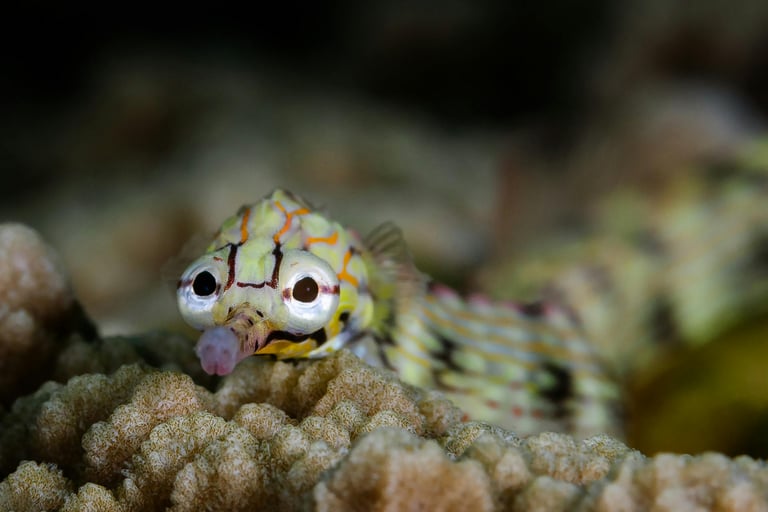
Seafan Alley: Vibrant coral gardens, pygmy seahorses, and macro life.
Shark Airport: Vertical wall dive with frequent hammerheads and nurse sharks.
These sites challenge even experienced divers but deliver breathtaking encounters with healthy reefs and pelagics unlikely to be seen elsewhere.
Which One Suits You Best?
For historical wrecks and adrenaline-filled dives, Coron Bay is a top pick. These sites offer story-rich exploration deep into WWII relics covered in marine life.
For undisturbed coral, rare species, and big pelagics, Tubbataha Reefs is unmatched—especially for divers comfortable with drift dives and current.
Tips for Planning Your Dive Trip
Coron diving is best in the dry season (December to April); pick certified operators such as Reggae Dive Center, Corto Divers, or Safety Stop Divers for safer wreck penetration
Tubbataha requires liveaboards and advance booking during its March–June season. Platforms like Divebooker.com or All Star Liveaboards offer eco-conscious options.
Happy and safe diving,
The ScubaBlast Team
Coron Bay. (n.d.). Wreck diving in Coron Bay, Palawan. Retrieved from https://en.wikipedia.org/wiki/Coron_Bay
Dive the World. (n.d.). World class wreck diving in Coron Philippines. Retrieved from https://www.dive-the-world.com/diving-sites-philippines-coron.php
Tubbataha Reef. (n.d.). Tubbataha Reefs Natural Park. Retrieved from https://en.wikipedia.org/wiki/Tubbataha_Reef
Underwater Asia. (n.d.). Diving in Tubbataha Reef. Retrieved from https://underwaterasia.info/diving-philippines/tubbataha-reef-diving
Bluewater Dive Travel. (n.d.). Tubbataha Reef diving highlights. Retrieved from https://www.bluewaterdivetravel.com/tubbataha-reef-diving
Reddit. (2022, September 4). Coron wreck diving experience. Retrieved from https://www.reddit.com/r/scuba/comments/x59jgn
Reddit. (2024, January 14). Exploring Coron Bay wrecks. Retrieved from https://www.reddit.com/r/redditreviewed/comments/196eytg
Reddit. (2022, August 19). Recommendations for dive operators in Coron. Retrieved from https://www.reddit.com/r/scuba/comments/wsacx7
"Disclosure: This post may contain affiliate links, meaning I get a commission if you decide to make a purchase through my links, at no cost to you."