Why You Should Never Touch Marine Life
Discover why avoiding contact with marine life is crucial for your safety and the health of underwater ecosystems during your dives.
PRESERVING OUR GREAT LAKES AND OCEANS WHILE SCUBA DIVING
Why You Should Never Touch Marine Life
When diving, the underwater world is full of amazing creatures that invite curiosity. But one golden rule stands: never touch marine life. This protects both you and the delicate ecosystems you explore.
Protecting Yourself from Harm
Many marine animals have natural defenses—like stinging cells, sharp spines, or toxins—that can cause injury or allergic reactions. Even seemingly harmless creatures like corals or sea urchins can cause painful cuts or infections if touched. Staying hands-off helps you avoid unnecessary risks underwater.
Preserving Marine Ecosystems
Marine life is adapted to specific environments and interactions. Touching or handling creatures can stress them, damage delicate tissues, or disrupt important behaviors like feeding and breeding. For example, corals are living animals sensitive to oils and bacteria on human skin, which can lead to disease and bleaching.
Respecting Shoreline Wildlife
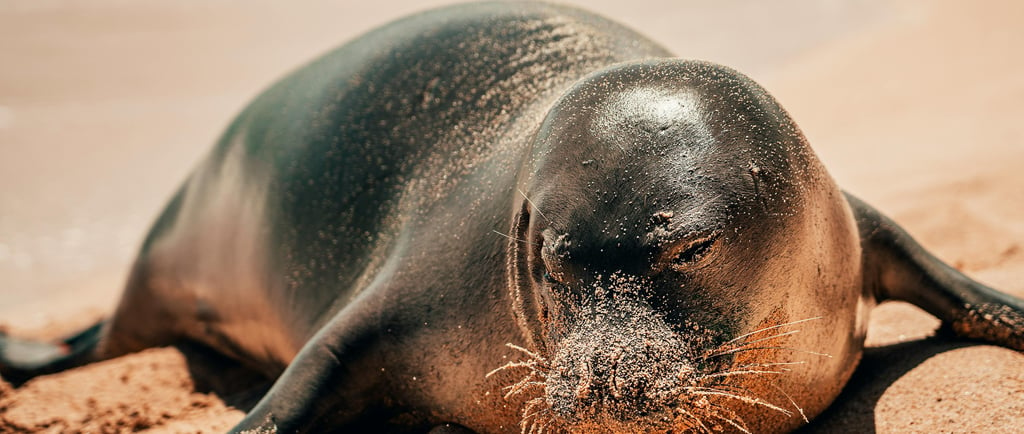
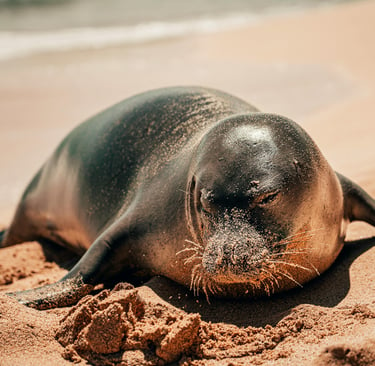
Shore dives often bring divers near coastal animals such as sea lions and turtles, which might be resting or feeding close to the shore. Approaching too closely or trying to touch these animals can stress them and change their natural behaviors. Keeping a respectful distance during shore dives protects their habitat and ensures a safer, more enjoyable experience for everyone.
Preventing Spread of Disease
Human contact can transfer harmful bacteria and pathogens to marine animals, weakening their health and making them vulnerable to illness. Similarly, touching creatures can spread invasive species or diseases from one area to another.
Following Responsible Diving Practices
Respecting marine life by observing without touching is a key part of responsible diving. This behavior supports conservation efforts and helps ensure dive sites remain vibrant for future generations.
Tips to Avoid Touching Marine Life
Maintain good buoyancy control to hover without contact.
Use your camera or dive slate for interaction instead of hands.
Stay aware of your surroundings and keep a safe distance.
By following these guidelines, you help protect the underwater world while enjoying safer, more respectful dives.
Happy and safe diving,
The ScubaBlast Team
National Oceanic and Atmospheric Administration (NOAA). (2020). Why you shouldn’t touch marine life. https://oceanservice.noaa.gov/news/jan19/marine-life-touching.html
Project AWARE. (n.d.). Responsible diver. https://www.projectaware.org/responsible-diver
Marine Conservation Institute. (2019). The impacts of touching marine wildlife. https://marine-conservation.org/the-impacts-of-touching-marine-wildlife/