What You Didn’t Know About Marine Debris
Uncover the hidden truths about marine debris—from ghost gear dangers to deep reef impacts—and discover how divers can take action to protect our oceans.
PRESERVING OUR GREAT LAKES AND OCEANS WHILE SCUBA DIVING
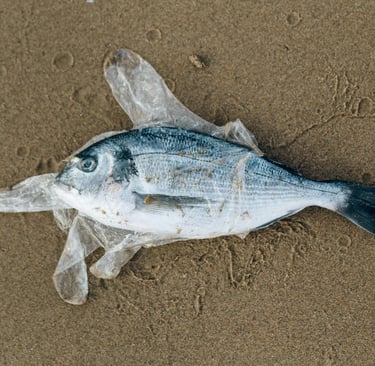
What You Didn’t Know About Marine Debris
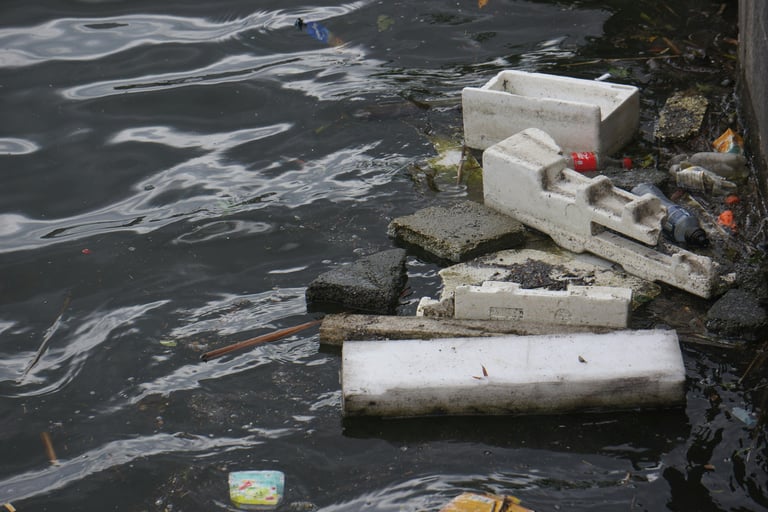
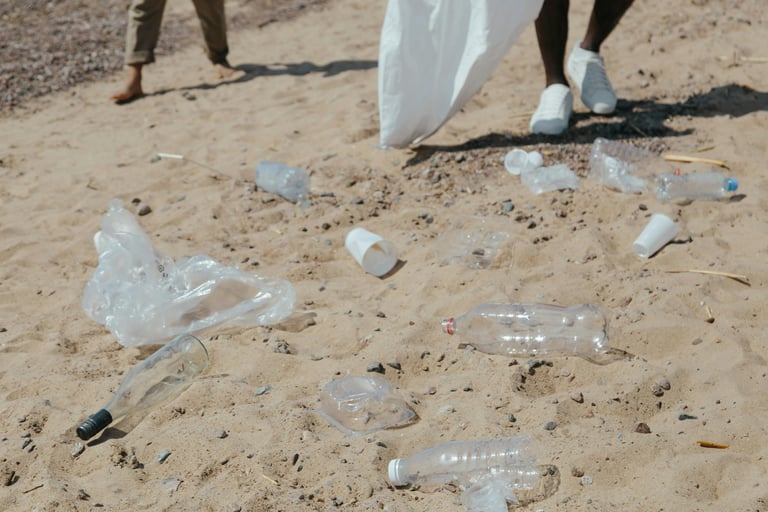
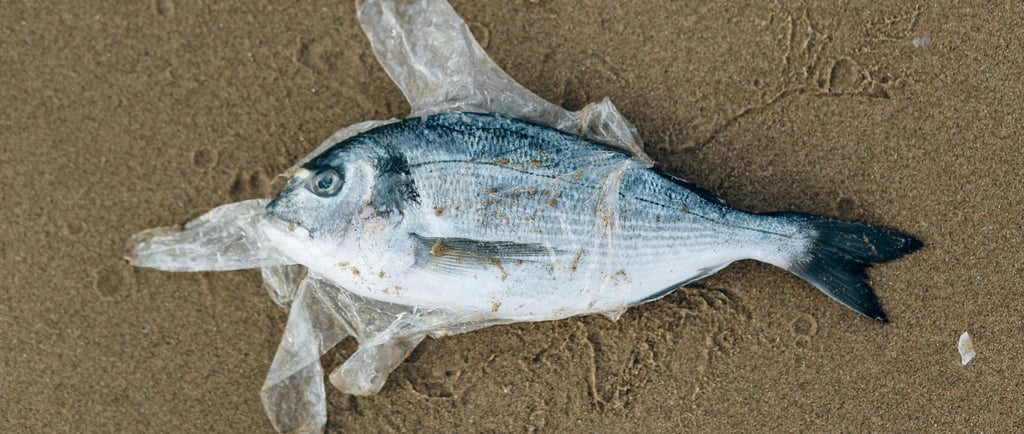
Marine debris is more than unsightly trash. It is a hidden crisis that harms ecosystems, endangers wildlife, and affects the sites divers love. Understanding the risks is the first step toward taking action. As divers, we often witness firsthand the impacts of human activity on our oceans—what may appear as a harmless bottle or net can create lasting consequences underwater.
Ghost Gear: The Silent Threat
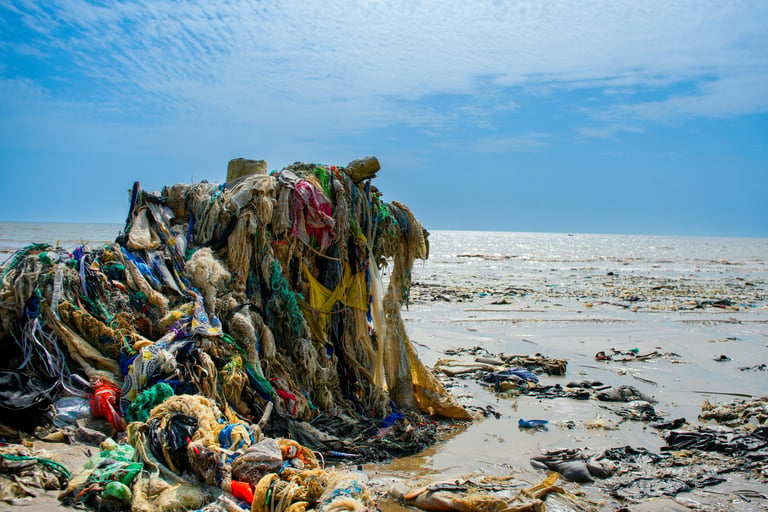
Lost or abandoned fishing gear, known as ghost gear, continues to trap marine life long after being discarded. According to the NOAA Marine Debris Program, ghost nets and lines pose a serious threat to turtles, whales, seabirds, and fish. Ghost gear can also damage coral, creating hazards for marine life. Studies estimate that hundreds of thousands of tons of fishing gear are added to the oceans each year, making this one of the most dangerous and pervasive forms of marine debris.
Deep Reef Impacts
While many think of debris floating at the surface, it also accumulates at depth. Lost nets, plastic lines, and other materials can settle on coral reefs and other underwater habitats, causing physical damage and disrupting delicate ecosystems. The UN Environment Programme notes that deep reef ecosystems, which host some of the ocean’s most diverse life, are increasingly impacted by debris, including items that may seem harmless at the surface. Divers may notice corals broken or covered by plastics, which affects biodiversity and the quality of dive experiences.
Microplastics and Wildlife
Marine debris doesn’t just pose entanglement risks. Over time, plastics break down into microplastics, tiny particles that are ingested by fish, shellfish, and other marine animals. These particles can travel up the food chain, potentially affecting human health. Divers often see animals interacting with debris—curious fish nibbling at plastic fragments or sea turtles mistaking bags for jellyfish—highlighting the widespread nature of this problem.
Economic and Environmental Costs
Marine debris also carries significant economic consequences. For example, removing abandoned crab pots in Chesapeake Bay increased blue crab harvests by nearly 24%, generating millions in additional revenue. Coastal cleanups, like those in California, not only protect marine life but also maintain tourism appeal, keeping beaches safe and inviting for visitors. Debris can also damage dive infrastructure, such as moorings or artificial reefs, creating hazards for divers.
How Divers Can Help
Divers are uniquely positioned to make a difference in ocean conservation:
Participate in cleanup dives to remove debris from dive sites. Even small collections add up over time.
Support citizen science programs such as PADI AWARE Dive Against Debris, where your observations are used to inform conservation strategies and policies.
Observe and report ghost gear or unusual debris to local organizations to help prioritize cleanup efforts.
Practice eco-conscious diving habits, like minimizing single-use plastics and properly disposing of old gear. This reduces the chances of contributing to debris.
By taking these actions, divers can help protect the ecosystems we explore and the species that inhabit them. Every action counts, whether it’s removing a single piece of plastic or logging debris for global data collection.
Happy and safe diving,
The ScubaBlast Team
NOAA Marine Debris Program. (2023). Fast Facts: Marine Debris. Retrieved from https://coast.noaa.gov/states/fast-facts/marine-debris.html
United Nations Environment Programme. (2022). Marine Litter Factsheet. Retrieved from https://www.unep.org/resources/factsheet/marine-litter
PADI AWARE. (2023). Dive Against Debris Program. Retrieved from https://www.padi.com/aware/marine-debris
"Disclosure: This post may contain affiliate links, meaning I get a commission if you decide to make a purchase through my links, at no cost to you."