What to Do If You're Stung or Bitten Underwater
Discover what to do if you're bitten or stung while scuba diving. Learn how to stay calm, treat the injury, and know when to end your dive.
SCUBA DIVING SAFETY

What to Do If You're Stung or Bitten Underwater
No diver likes to think about it, but the underwater world is home to creatures that can bite, sting, or brush up against you in a painful way. Most marine life injuries happen because a diver got too close or wasn’t paying attention—not because the animal was aggressive. Still, when it happens, knowing what to do can keep a small problem from becoming a major emergency.
Stay Calm and Assess the Situation
First things first: don't panic. Most bites or stings aren’t fatal, but losing control underwater can lead to worse outcomes. Signal your buddy and check the area of contact. Can you continue the dive, or is it safer to ascend?
If the wound is bleeding heavily, you’ll want to abort the dive. Signal "up" and ascend slowly, following all safety procedures. If you’re in pain but stable, you might be able to finish the dive, but don’t push through for pride’s sake—listen to your body.
Back on the Surface: Immediate First Aid
Once you're out of the water, remove any gear that’s compressing the area and rinse the wound with clean, non-drinking water (like seawater) if you're still at the dive site. Don’t use fresh water on stings like jellyfish—it can cause more venom to release.
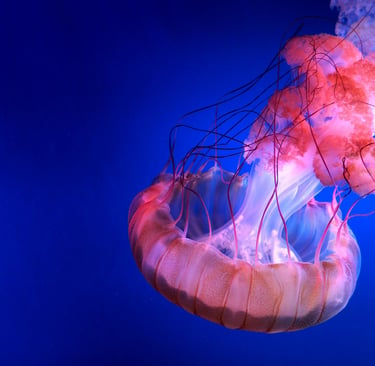
For jellyfish stings, soak the area in vinegar if available. For sea urchin spines or other embedded objects, don’t try to dig them out with bare hands—this can worsen the injury. Keep the area still and elevated if it’s swollen or throbbing. Applying heat—not ice—can help reduce pain for many marine stings, like those from lionfish or stingrays.
Know When to Get Medical Help
Some marine life injuries look minor but can get worse fast. Get professional help if:
You’re having trouble breathing, dizziness, or chest tightness (could be an allergic reaction)
You see signs of infection like redness, swelling, or pus
The pain is intense or spreading
You were stung by a potentially dangerous animal like a stonefish or cone snail
If you’re diving remotely, let the dive operator know immediately. Most boats carry a first aid kit and may have emergency oxygen.
Prevention Tips That Work
Most of these situations can be avoided by keeping your distance and maintaining good buoyancy. Don’t reach into crevices, avoid touching the reef, and always be aware of your surroundings. A simple brush against a fire coral can ruin your day—but it’s 100% preventable.
Happy and safe diving,
The ScubaBlast Team
Divers Alert Network. (n.d.). Marine Life Injuries: First Aid and Prevention. Retrieved August 6, 2025, from https://world.dan.org/health-medicine/first-aid/marine-life-injuries/
PADI. (2021). How to treat marine stings and bites. Retrieved August 6, 2025, from https://www.padi.com/articles/how-to-treat-marine-stings
Scuba Diving Magazine. (2022). What to do when you're stung underwater. Retrieved August 6, 2025, from https://www.scubadiving.com/marine-stings-treatment-guide