Understanding Low Visibility
Master low-visibility diving with safety tips, navigation techniques, and gear advice to keep your dive calm and under control.
SCUBA DIVING SAFETY
Understanding Low Visibility
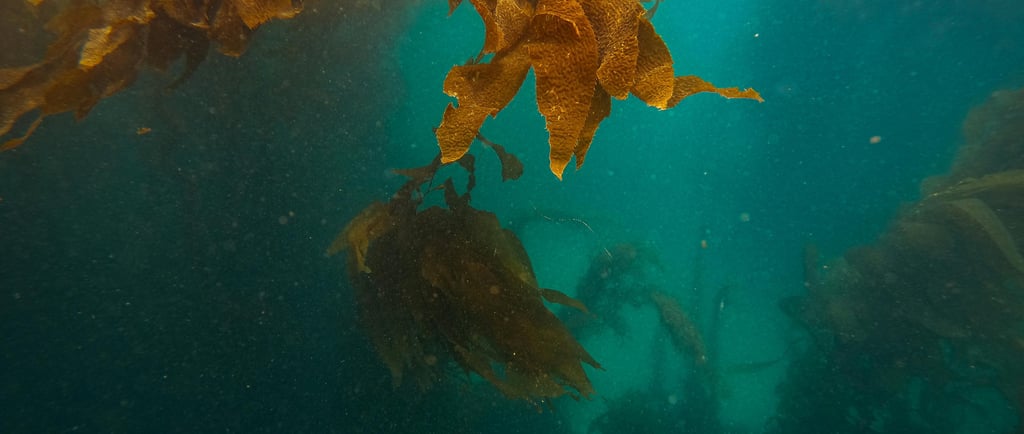
Low-visibility conditions can be caused by silt, plankton blooms, heavy surf, overcast skies, or even dusk and night dives. These dives can feel unnerving, especially for newer divers, but with the right preparation and mindset, they can still be safe and enjoyable. In fact, many lake, quarry, or wreck dives naturally have reduced visibility — and they often offer incredible experiences if you know how to navigate them.
Before the Dive: Prepare and Communicate
Planning ahead makes all the difference. Brief your buddy thoroughly, decide on a dive plan with clear objectives, and establish communication signals — both visual (like light flashes) and tactile (like hand squeezes). Stay close together; in poor visibility, it’s easy to lose track of each other within seconds.
Choosing the right dive site also matters. If you're diving a silty bottom, avoid kicking it up by using a frog kick or gentle flutter kick to reduce stirring up particles.
Navigation Techniques
Stick to simple navigation tools and habits. A reliable compass is a must, and a dive light can help orient you even during daytime dives. Hugging a wall or following a guideline helps maintain a sense of direction. On wrecks or in quarry dives, use natural or installed references — like lines, structures, or rocks — to orient yourself.
If you start to feel lost or unsure, stop, breathe, think, and then act. Panicking makes disorientation worse. Look for light direction, bubbles rising, or sounds from the boat or shore to regain bearings.
Essential Gear for Low Viz
Primary and backup lights: Even in daytime, lights help see detail and signal to your buddy.
Slate or wet notes: Helpful for written communication when hand signals fail.
High-contrast or reflective gear: Bright masks, tanks, or fins can make you more visible to others.
Don’t forget to log your dive after and reflect on how it felt. Every low-viz dive builds confidence for the next.
Happy and safe diving,
The ScubaBlast Team
Divers Alert Network. (n.d.). Low Visibility Diving Tips. https://dan.org/health-medicine/health-resource/dive-safety/low-visibility-diving/
PADI. (n.d.). How to Dive in Low Visibility. https://www.padi.com/articles/how-dive-low-visibility
SDI TDI. (n.d.). 10 Tips for Low Viz Diving. https://www.tdisdi.com/sdi-diver-news/10-tips-for-diving-in-low-visibility/
Scuba Diving Magazine. (n.d.). Overcoming the Fear of the Dark Underwater. https://www.scubadiving.com/skills/overcoming-fear-dark-underwater