Thunderstorms and Diving: When to Call It Off
Discover why diving during thunderstorms is dangerous and how to make smart decisions about when to cancel or postpone your dive for safety.
SCUBA DIVING SAFETY
Thunderstorms and Diving: When to Call It Off
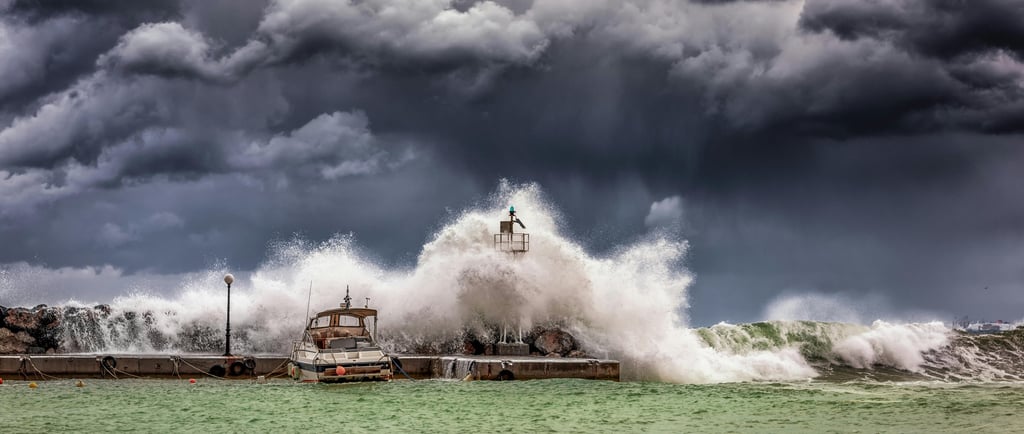
There’s nothing quite like the anticipation of a dive day—gear packed, buddies ready, and the ocean calling. But then, you spot dark clouds forming on the horizon. Thunder rumbles in the distance. The big question is: should you still dive?
The short answer? Probably not.
Why Thunderstorms and Diving Don’t Mix
Water is a powerful conductor of electricity. If lightning strikes anywhere near your dive site, the electrical current can travel across the surface—and even through submerged bodies of water—posing a deadly threat. Even if you're below the surface, the risk isn’t eliminated. Conductive dive gear and proximity to the surface can make you vulnerable.
Plus, storms bring more than lightning. Heavy rain, wind, and rough seas can reduce visibility, stir up currents, and make boat or shore entries far more hazardous than usual.
Boat Dives During Storms
If you're diving from a boat, remember that boats are often the tallest object on the water—making them a prime lightning target. Crews will typically halt operations when lightning is in the area, and for good reason. Being in or even on a boat during a thunderstorm is simply not worth the risk.
Shore Diving? Still Not Safe
You might think you can avoid the risk by entering from the shore. But the water near the coastline can still conduct lightning strikes. Add in slippery rocks, strong surge, and crashing waves, and you’ve got a recipe for injury even before you submerge.
When to Call It Off
Here’s a good rule: if you can hear thunder, you’re close enough to be struck by lightning. Dive organizations like DAN recommend waiting at least 30 minutes after the last thunderclap before resuming water activities. That goes for swimming, snorkeling, and diving alike.
Most dive shops and liveaboards won’t risk it anyway—they’ll delay or cancel dives if storms are in the area. Follow their lead. Rescheduling a dive is far better than gambling with your safety.
No dive is worth risking your life over. Keep an eye on the forecast, stay flexible with your dive plans, and never hesitate to call it off when thunderstorms roll in. The ocean will still be there tomorrow.
Happy and safe diving,
The ScubaBlast Team
Divers Alert Network. (2023). Lightning and Water Activities. https://dan.org/health-medicine/health-resources/diseases-conditions/lightning/
NOAA National Weather Service. (2024). Lightning Safety When Outdoors. https://www.weather.gov/safety/lightning-outdoors
Scuba Diving Magazine. (2022). Is It Safe to Dive in a Thunderstorm? https://www.scubadiving.com/thunderstorm-scuba-diving-safety