
The Role of Surface Intervals and Why They Matter
Learn why surface intervals are crucial for divers, how long they should be, and what happens in your body while you wait between dives.
TIPS AND ADVICE FOR NEW SCUBA DIVERS

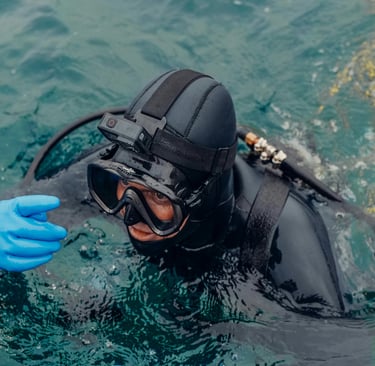
The Role of Surface Intervals and Why They Matter
If you’ve ever wondered why divers spend so much time talking about surface intervals, here’s the simple answer: they’re what make multiple dives in a day safe. A surface interval is the time you spend on the surface between dives. While it may feel like just a pause to snack or swap tanks, it’s actually when your body does essential work—shedding extra nitrogen that built up during your dive.
When you breathe compressed air underwater, your body absorbs nitrogen. The deeper you go and the longer you stay, the more nitrogen gets stored in your tissues. If you surface and immediately go back down, you’re carrying that extra nitrogen with you. Do that enough times without a break, and you increase your risk of decompression sickness (often called “the bends”), which can cause everything from joint pain to serious neurological issues.
That’s where surface intervals come in. By waiting on the surface, your body gets the chance to off‑gas—a process where nitrogen is released naturally through your lungs. The longer the break, the more nitrogen you clear, and the safer your next dive will be.
How long should you wait? There isn’t one magic number. It depends on how deep your dive was, how long you stayed down, and what your next dive will look like. Dive tables and dive computers take the guesswork out by showing exactly how much surface time you need. For example, after a 60‑foot dive for 40 minutes, your table might show you need at least an hour on the surface before your next descent.
Surface intervals also give you time to reset in other ways—hydrating, reviewing your dive plan, checking gear, and simply resting. Fatigue is a safety hazard too, and these breaks are a chance to catch your breath (literally and figuratively).
Many liveaboard trips and dive resorts build surface intervals into their schedules on purpose, spacing dives with plenty of time to relax on deck, log your dive, or even nap. These breaks might feel leisurely, but they’re doing vital safety work in the background.
The bottom line? Skipping or shortening your surface interval isn’t worth the risk. By respecting that time, you’re giving your body what it needs to keep you healthy and ready for many more dives in the future.
Happy and safe diving,
The ScubaBlast Team
Divers Alert Network (DAN). (2024). Surface intervals and their role in decompression safety. Retrieved from https://dan.org/health-medicine/dive-medical-reference/surface-intervals
PADI. (2024). Why surface intervals matter for divers. Retrieved from https://blog.padi.com/surface-interval-guide/
SSI. (2024). Understanding off‑gassing and safe dive planning. Retrieved from https://www.divessi.com/en-ic/keep-diving/dive-tables