The Hidden Dangers of Coral Cuts and Infections
Learn how to recognize, treat, and prevent coral cuts and infections to stay safe and healthy after every dive.
SCUBA DIVING SAFETY
The Hidden Dangers of Coral Cuts and Infections
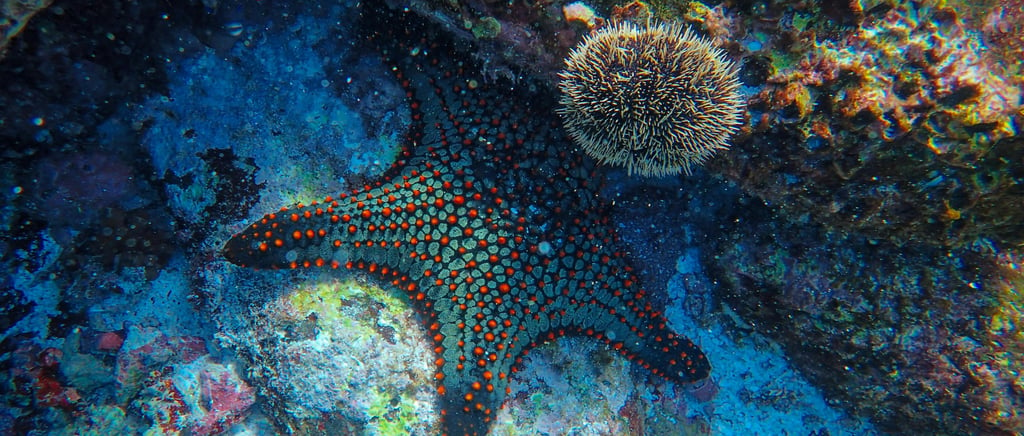
Coral reefs are stunning, teeming with life, and a favorite among divers—but brushing against one can leave you with more than just a scratch. Even a small cut from coral can introduce bacteria, toxins, or even tiny bits of the coral itself into your skin, leading to infections that may take weeks to heal. If not properly cleaned and monitored, coral injuries can become painful, swollen, or even dangerous.
The risk doesn’t just come from the scrape itself. Coral is a living organism, and when it's damaged, it often releases a natural defense of toxins or irritants. Plus, the reef is home to all kinds of bacteria and microscopic creatures that can get into a wound. In warm, humid dive locations, these bacteria thrive, making infection more likely. What starts as a simple sting or nick might turn into redness, swelling, or a festering sore if not treated right away.
So what should you do if you get cut? First, rinse the wound thoroughly with clean, fresh water as soon as you surface. If you have vinegar or hydrogen peroxide in your kit, use it to disinfect the area—avoid alcohol, as it can damage skin tissue. Apply antibiotic ointment, cover it with a clean bandage, and keep it dry between dives. Monitor for signs of infection: spreading redness, pus, warmth, or fever. If you notice any of those, don’t wait—seek medical attention.
The best solution, of course, is prevention. Buoyancy control is your best friend here. If you stay neutrally buoyant and aware of your surroundings, you're far less likely to brush up against coral accidentally. Wearing a full wetsuit or dive skin can also help reduce the severity of any contact you do make. Be especially cautious when currents are strong, or when you're diving in tight spaces where coral is close on all sides.
Respect for coral goes both ways—avoiding contact keeps you safe, and it helps protect fragile reef ecosystems from harm. Many coral species are slow-growing and easily damaged, so steering clear helps preserve these underwater habitats for generations of divers to come.
Happy and safe diving,
The ScubaBlast Team
Divers Alert Network. (n.d.). Coral Cuts and Stings. https://dan.org/health-medicine/health-resources/diseases-conditions/coral-cuts-and-stings/
National Library of Medicine. (2017). Marine envenomation: a review of the injuries and treatments. https://www.ncbi.nlm.nih.gov/pmc/articles/PMC5749836/
PADI. (n.d.). Avoid Coral Cuts and Infections While Scuba Diving. https://www.padi.com/articles/avoid-coral-cuts