The Effects of Cold Water on the Body During a Dive
Cold water diving affects your body in surprising ways — from breathing patterns to blood flow. Learn how to manage the risks and dive comfortably.
SCUBA DIVING SAFETY
The Effects of Cold Water on the Body During a Dive
Diving in cold water offers stunning visibility and unique marine life — but it also places serious physiological demands on your body. Whether you're exploring an alpine lake or diving off the California coast, understanding how cold affects your body is key to staying safe, comfortable, and focused underwater.
The most immediate effect of cold water is cold shock response. This can cause an involuntary gasp, rapid breathing, and a spike in heart rate. For unprepared divers, especially during entries without a hood or proper thermal protection, this can lead to panic or even water inhalation. Controlling your breathing during the first minute is critical — a few deep, slow breaths can help settle your nervous system.
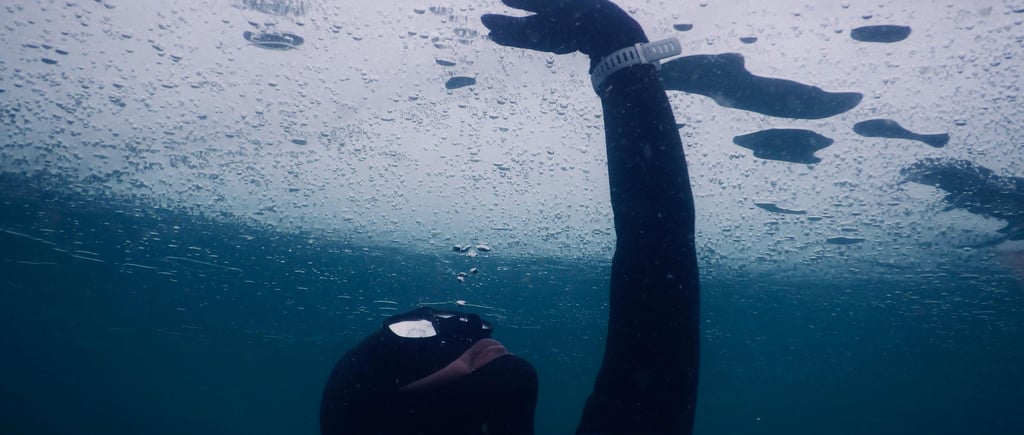
Cold also causes peripheral vasoconstriction — your body’s way of conserving core heat by redirecting blood away from your arms and legs. This can make your extremities feel numb or weak, reducing dexterity. That’s a big deal when operating gear, using hand signals, or handling emergency equipment. Thick gloves help, but so does limiting dive time and practicing fine motor skills in cold water during training.
Another serious concern is hypothermia, especially during long dives or repeated exposures. Even mild hypothermia can impair decision-making, coordination, and reaction time — dangerous traits to lose underwater. Shivering is a warning sign that your body is burning through energy reserves just to maintain core temperature. If you're shivering during a dive, it's time to end it.
Cold temperatures also affect air consumption. When you’re chilled, your body works harder and you breathe faster — which means you’ll go through your tank more quickly. Keeping warm not only improves comfort but also extends your bottom time.
To prepare for cold water:
Use an appropriate wetsuit (7mm or thicker), semi-dry, or drysuit
Always wear a hood — most heat is lost through the head
Use neoprene gloves and boots with good insulation
Pre-warm your body with hot fluids or warm clothes
Log shorter, shallower dives and gradually build tolerance
Practice with your gear in cold conditions before venturing deep
Cold water diving can be exhilarating and rewarding, but it's not the place to learn by trial and error. Proper exposure protection, self-awareness, and a conservative dive plan can keep cold from compromising your safety. As always, preparation is the best protection.
Happy and safe diving,
The ScubaBlast Team
Divers Alert Network. (2023). Cold Water Diving Safety. https://dan.org/health-medicine/health-resources/dive-conditions/cold-water-diving/
British Sub-Aqua Club. (2020). How Cold Water Affects the Body. https://www.bsac.com/news-and-blog/how-cold-water-affects-your-body/
PADI. (n.d.). Dry Suit Diving Tips. https://www.padi.com/gear/dry-suits
National Center for Cold Water Safety. (2022). Physiological Response to Cold Water. https://www.coldwatersafety.org/nccwsRules3.html