South Africa’s Sardine Run: Dive Into the Action
Experience the South African Sardine Run up-close. Witness bait balls of sardines chased by sharks, dolphins, gannets, and whales. Dive expert tips, best time and locations, and liveaboard suggestions included.
SCUBA DIVING IN EXCITING DESTINATIONS PLUS LIVEABOARDS!
South Africa’s Sardine Run: Dive Into the Action
What Makes the Sardine Run So Spectacular
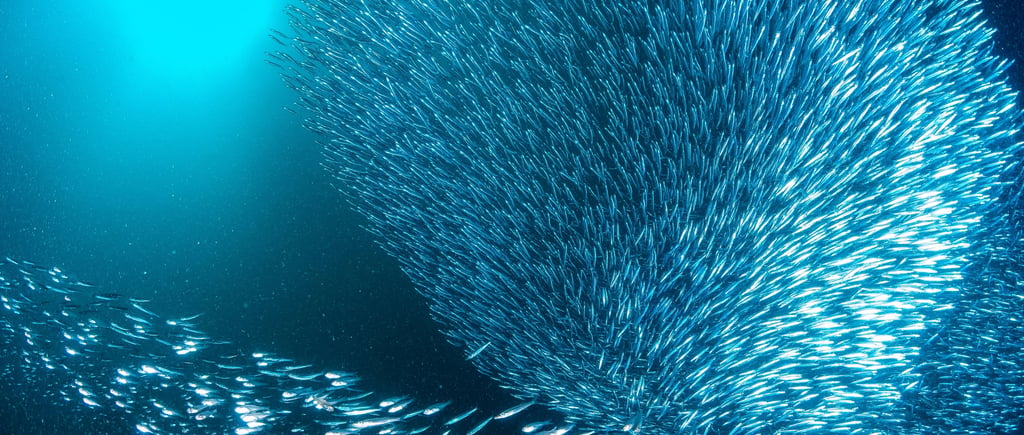
Each winter between May and July, billions of Southern African pilchard (Sardinops sagax) migrate from the Agulhas Bank up along the KwaZulu-Natal coast, creating massive bait balls visible from the air. Predators including dolphins, sharks, and seabirds converge on the shoals to feed in one of nature’s most intense feeding frenzies.
Where to Dive and When
The most reliable Sardine Run activity occurs around Port St. Johns and nearby spots like Coffee Bay and Mazeppa Bay on the Wild Coast. These locations offer boat-based or beach-entry dive access to chase the action. Visibility can range from 5 to 15 meters underwater depending on conditions.
What You Will See Underwater
When the bait balls form, divers may witness dolphins corralling sardines, Cape gannets diving at high speeds, and sharks—including bronze whaler, blacktip, and dusky sharks—cutting through the chaos. On exceptional days, humpback whales, Bryde’s whales or orcas pass through the scene too. One diver described the experience as “hands down one of the greatest weeks diving of my life”
Dive Conditions and Requirements
Water temperatures during the Sardine Run usually fall between 16 °C and 21 °C so a 7 mm wetsuit or semi-dry suit along with a hood and gloves is recommended. Strong currents, rough seas, and variable visibility require advanced buoyancy skills and comfortable drift diving experience. Divers typically need to be Advanced Open Water certified with at least 50 logged dives.
Choosing an Operator & Liveaboard Options
Operators based in Port St. Johns, Coffee Bay, and East London such as Blue Ocean Dive Resort and Oceanworx Dive Charters specialize in Sardine Run safaris. They coordinate aerial monitoring, in-water dolphins and shark encounters, beach-entry launches through surf, and full-service packages that handle logistics so divers can focus on the spectacle.
Should You Dive the Sardine Run?
It is a high-risk, high-reward adventure. Not every day produces sightings—the unpredictability is part of the draw. Divers need patience, good gear, and flexibility. But when it works, being inside a bait ball with marine predators is beyond exhilarating.
Happy and safe diving,
The ScubaBlast Team
PADI. (2015, February 25). South Africa’s Sardine Run: Everything you need to know. Retrieved from https://blog.padi.com/2015/02/25/south-africas-sardine-run/
Pisces Divers. (n.d.). The Sardine Run – Bait‑ball diving on South Africa’s Wild Coast. Retrieved from https://piscesdivers.co.za/sardine-run/
SeaCrush. (n.d.). Mapped: 4 Best Places to Dive in South Africa. Retrieved from https://www.seacrush.com/en/diving/south-africa
Travel to Dive. (n.d.). The Sardine Run: The Ultimate Underwater Migration. Retrieved from https://www.traveltodive.com/sardine-run/
Wikipedia. (n.d.). Sardine run. Retrieved from https://en.wikipedia.org/wiki/Sardine_run
Reddit. (2020, June 15). Sharks during a sardine feeding frenzy. Retrieved from https://www.reddit.com/r/TheDepthsBelow/comments/h9gngx
Reddit. (2023, November 4). Dive bucket list includes South Africa sardine run. Retrieved from https://www.reddit.com/r/scuba/comments/17nifhl
Reddit. (2022). Trip report: Sardine Run at Port St. Johns, South Africa. Retrieved from https://www.reddit.com/r/scuba/comments/1e6i40b
"Disclosure: This post may contain affiliate links, meaning I get a commission if you decide to make a purchase through my links, at no cost to you."

