
Reading a Dive Briefing: What You Need to Know
Learn how to understand a dive briefing, from key safety points to navigation details, so you can dive smarter and safer every time.
TIPS AND ADVICE FOR NEW SCUBA DIVERS
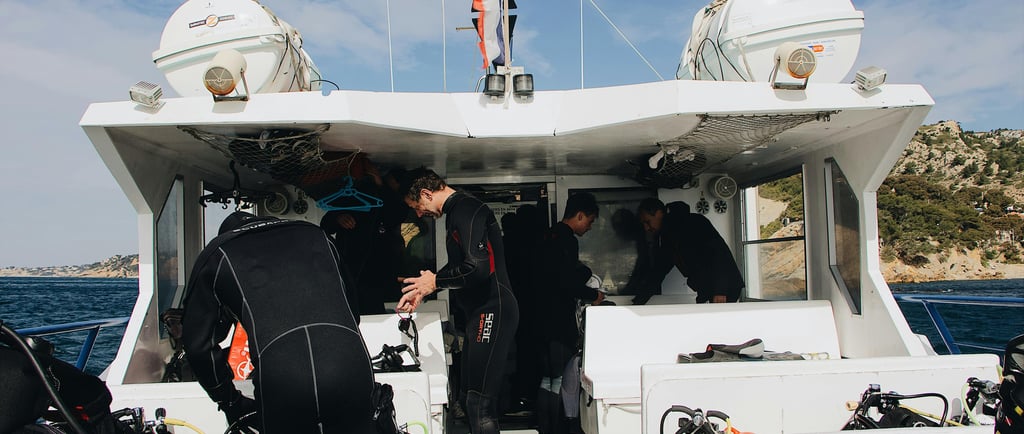

Reading a Dive Briefing: What You Need to Know
Before every dive, the divemaster or instructor will gather the group for a dive briefing—a short but important talk that covers everything you need to know before entering the water. While it’s easy to zone out if you’ve heard briefings before, paying close attention can make the difference between a smooth, enjoyable dive and an unsafe one.
A solid dive briefing starts with site details. You’ll hear about the location, depth range, expected conditions, and entry and exit points. This isn’t just background info—it helps you anticipate changes in buoyancy, know how far you’ll be from shore or the boat, and prepare for surface swims if necessary.
The divemaster will also cover safety protocols. This includes the maximum depth for the dive, no-decompression limits, and emergency procedures like how to share air or signal distress. Even if you’ve been trained on these skills, it’s worth hearing how this particular site or crew handles emergencies.
Pay close attention to hand signals and communication cues. Some operators use slightly different signals for certain things, and clarifying them before you descend avoids confusion when you need to communicate underwater.
Another key part of a briefing is the dive plan itself. You’ll hear the route you’ll follow, what the current is doing, and the features you’ll see—reefs, wrecks, or swim-throughs. This helps you stay oriented and makes it easier to stick with the group.
Finally, most briefings end with environmental guidelines. This might mean reminders about not touching coral, respecting marine life, or staying neutrally buoyant to avoid damaging the reef.
Listening carefully to the dive briefing means fewer surprises and fewer mistakes. It’s your chance to ask questions, clear up any confusion, and go into the water knowing exactly what to expect.
Happy and safe diving,
The ScubaBlast Team
Divers Alert Network (DAN). (2024). Understanding dive briefings and safety information. Retrieved from https://dan.org/safety-prevention/dive-safety/briefings/
PADI. (2024). What to expect in a dive briefing. Retrieved from https://blog.padi.com/dive-briefing-guide/
SSI. (2024). Dive planning and briefings for new divers. Retrieved from https://www.divessi.com/en-ic/keep-diving/dive-planning