
How to Perform a Pre-Dive Gear Inspection
A thorough pre-dive gear check prevents malfunctions and boosts confidence. Learn how to inspect your equipment step-by-step before every dive.
TIPS AND ADVICE FOR NEW SCUBA DIVERS
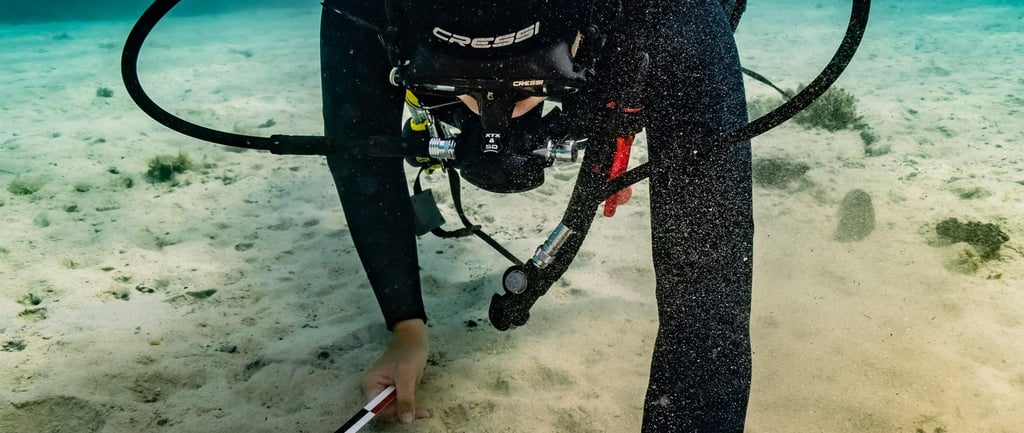
How to Perform a Pre-Dive Gear Inspection
Your scuba gear is your life support system underwater. That’s why inspecting it thoroughly before every dive isn’t just a formality — it’s essential for safety, comfort, and peace of mind. A quick visual glance isn’t enough. You need a routine that catches potential problems before they become emergencies.
Start with a systematic check, ideally done at home the night before and again right before the dive. Lay out your gear in the order you assemble it, and make sure each item is present, clean, and functioning.
BCD: Inflate it fully and let it sit for a few minutes. If it deflates on its own, check for leaks. Test all dump valves and inflator/deflator buttons. Inspect the straps, buckles, and tank band for wear.
Regulator and Octopus: Connect your first stage to a tank and slowly open the valve. Listen and feel for leaks. Take a few steady breaths from both your primary and alternate second stages — they should deliver air easily and without a strange taste or resistance. Check your submersible pressure gauge (SPG) for accuracy and inspect the hoses for cracks or bubbling.
Tank and Valve: Confirm that your tank is full and that the hydro and visual inspection stickers are current. Make sure the O-ring in the valve is in place and in good shape. If it’s damaged or missing, swap it before connecting your regulator.
Mask, Snorkel, and Fins: Check your mask strap for signs of stretching or tears. Make sure the skirt is clean and forms a good seal. Inspect fin straps and buckles, especially if you're diving in booties that may change fit. A broken strap mid-dive is a quick way to lose control in currents or during ascents.
Wetsuit or Drysuit: Look for worn seams, stuck zippers, or holes that might affect insulation. If you're diving in cold water, even a small leak can make a big difference in comfort and safety.
Weights: Make sure your weight system is secure but still easy to ditch in an emergency. If you're using a weight-integrated BCD, confirm that each pocket locks firmly. Test the quick-release mechanisms and verify the amount you’re carrying is correct for your exposure suit and tank.
Right before the dive, use the “BWRAF” buddy check (BCD, Weights, Releases, Air, Final OK) with your dive partner. It’s not just a training drill — it’s a habit that catches real issues, like tangled hoses or turned-off air valves.
Taking a few extra minutes to check your gear means fewer surprises underwater and a smoother, safer dive. Experienced divers know: prevention beats problem-solving every time.
Happy and safe diving,
The ScubaBlast Team
Divers Alert Network. (2023). Pre-Dive Equipment Checks. https://dan.org/health-medicine/health-resources/dive-equipment/pre-dive-checks/
PADI. (n.d.). The Importance of a Pre-Dive Gear Check. https://www.padi.com/articles/why-you-should-never-skip-your-pre-dive-check
Scuba Diving Magazine. (2022). Common Gear Failures and How to Avoid Them. https://www.scubadiving.com/common-scuba-gear-failures
NAUI. (2021). Scuba Equipment Inspection and Maintenance Tips. https://www.naui.org/blog/gear-inspection-checklist/