Endangered Marine Species and How to Spot Them
Discover endangered marine species like sea turtles, manta rays, whales, and vaquitas that divers may encounter. Learn how spotting, reporting, and supporting conservation efforts can make a difference.
PRESERVING OUR GREAT LAKES AND OCEANS WHILE SCUBA DIVING


Endangered Marine Species and How to Spot Them
Why These Species Matter and Why They’re at Risk
More than 2,270 marine species are listed as endangered or threatened globally—sharks, turtles, whales, and corals among them. Many are victims of overfishing, habitat loss, pollution, vessel strikes, or illegal wildlife trade.
Species Divers May Encounter
Hawksbill Sea Turtle: Critically endangered, they inhabit coral reefs in tropical regions. Their saw‑toothed beak, used for feeding sponges, helps identify them. Threats include shell trade, vessel strikes, and reef degradation. Respect nesting areas and avoid touching them underwater.
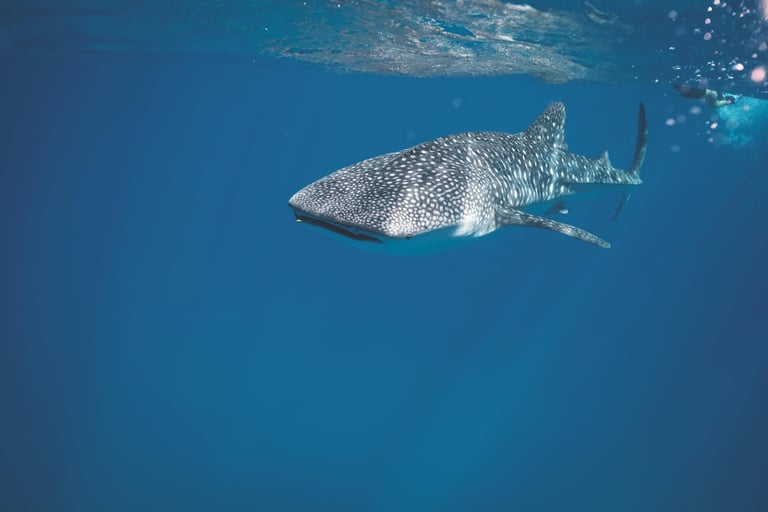
Whale Sharks: The world’s largest fish are endangered due to bycatch, vessel strikes, and targeted fishing. Though fragmentary sightings sometimes occur in places like the Galápagos or Cocos Island, encounters are rare. Divers should never feed or chase them.
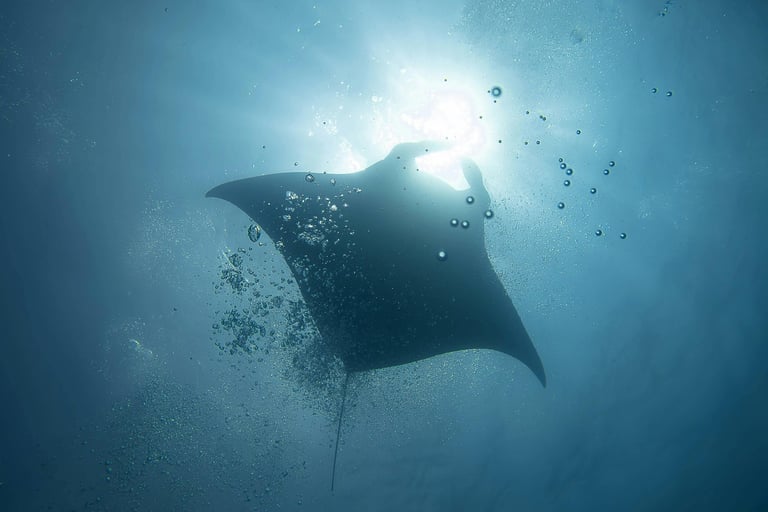
Manta Rays: Vulnerable and slow to reproduce, manta populations are declining from fishing and pollution. Their striking wing-like movements and unique belly patterns make photo ID possible for monitoring. Support operators that practice passive encounters.
Vaquita: The world’s most threatened marine mammal lives only in the northern Gulf of California. Fewer than a dozen individuals remain due to gillnet entanglement. Divers are unlikely to encounter them—but awareness is important in supporting protection efforts.
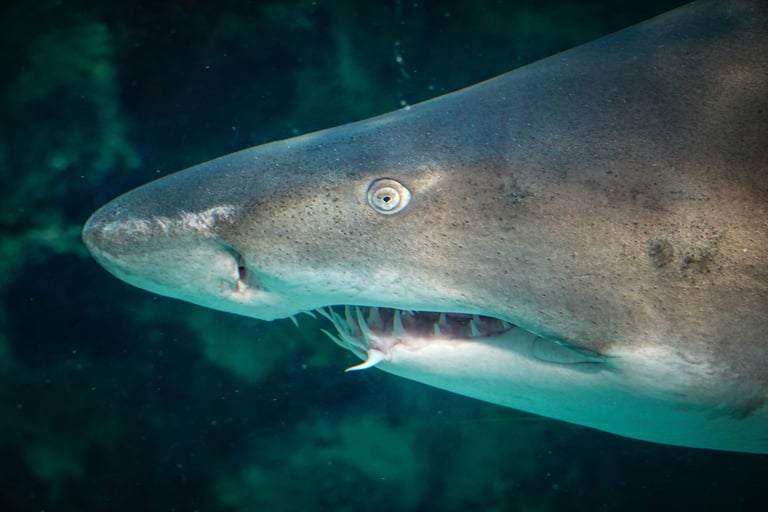
Grey Nurse Shark (aka Ragged-Tooth Shark): Critically endangered along Australia’s east coast, this slow-growing shark is vulnerable to fishing nets and habitat loss. In Bondi, a citizen-diver census counted only 243 individuals last year.([turn0news16])
How Divers Can Help
Learn to Identify
Use reputable guides or apps, like NOAA’s Species Guide or regional marine life ID tools, to recognize key features such as turtle shell outlines, ray ventral markings, tail shape of sharks, or the unique dorsal silhouette of manta rays.
Photograph Responsibly
If ethically feasible, photograph slowly moving species using no-flash lighting. Note GPS location, depth, and conditions. Photo documentation helps researchers track individual animals and populations.
Report Sightings
Many organizations accept sightings from citizens. Share observations—especially of rare species like manta rays or hawksbill turtles—with platforms such as iNaturalist, MigraMar for sharks, or local marine conservation groups depending on region.
Be a Responsible Diver
Follow low-impact diving guidelines: maintain neutral buoyancy, keep distance from wildlife, and support operators with environmental certifications. Responsible behavior safeguards the health of endangered species and their habitats.
Support Conservation Projects
Join or donate to initiatives that track shark migrations, turtle nesting, or marine mammal health. Programs like MigraMar, Project AWARE, and The Seahorse Trust rely heavily on diver involvement.
Happy and safe diving,
The ScubaBlast Team
References:
Earth.Org. (2023). 13 Endangered Marine Species in 2023. Retrieved from https://earth.org/endangered-marine-species/
Scuba Diving Magazine. (2023). Ten critically endangered marine species divers know. Retrieved from https://www.divemagazine.com/marine-life/ten-of-the-most-critically-endangered-marine-species
Popular Mechanics. (2023). Endangered Sea Animals: List of 20 Species That Need Our Help. Retrieved from https://www.popularmechanics.com/science/animals/
NOAA Ocean Exploration. (2024). Benthic Deepwater Animal Identification Guide. Retrieved from https://oceanexplorer.noaa.gov/okeanos/animal_guide/animal_guide.html
The Guardian. (2025, July 26). Critically endangered angel shark filmed off Wales. Retrieved from turn0news13
The Guardian. (2024, June 2024). Sharks’ migration corridors protection. Retrieved from turn0news19
AP News. (2023, December 2023). Entangled right whales off East Coast. Retrieved from turn0news20
"Disclosure: This post may contain affiliate links, meaning I get a commission if you decide to make a purchase through my links, at no cost to you."