Diving in Bonaire: The Shore Diving Capital of the World
Explore Bonaire’s shore diving paradise with over 60 marked sites directly accessible from the beach. Learn about top dive locations, marine life encounters, and sustainable practices on the Caribbean’s premier reef island.
SCUBA DIVING IN EXCITING DESTINATIONS PLUS LIVEABOARDS!
Diving in Bonaire: The Shore Diving Capital of the World
Why Bonaire is a Shore Diver’s Dream
Bonaire, a Dutch Caribbean island just north of Venezuela, is often called the Shore Diving Capital of the World. With more than 60 marked dive sites accessible from the shoreline and visibility typically exceeding 30 meters, it delivers unmatched convenience and clarity. Divers simply drive up, walk in, and descend into vibrant coral gardens without needing boats or long swims.
Best Sites & Marine Life Highlights
Sites such as 1000 Steps, Salt Pier, Bari Reef, and Hilma Hooker Wreck offer a diverse underwater world:
1000 Steps lives up to its name with a dramatic staircase to the sea. Underwater it dazzles with schools of fish, parrotfish, turtles, and sweeping coral drop-offs.
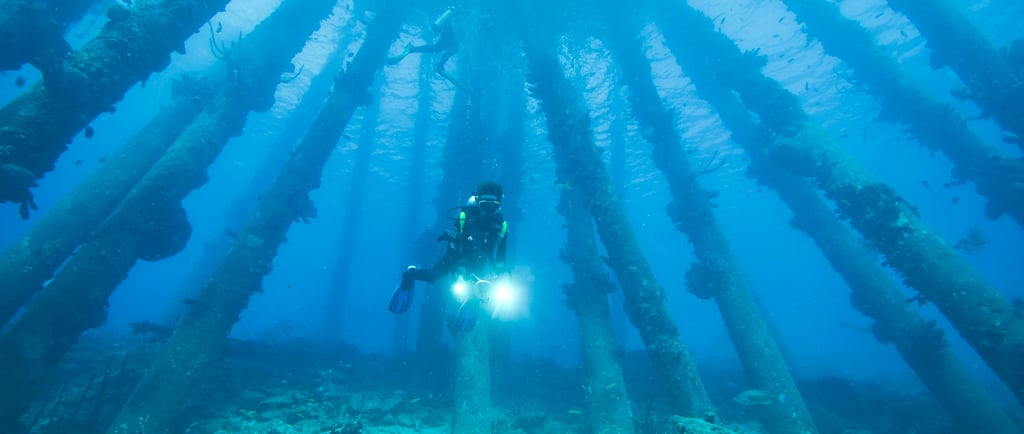
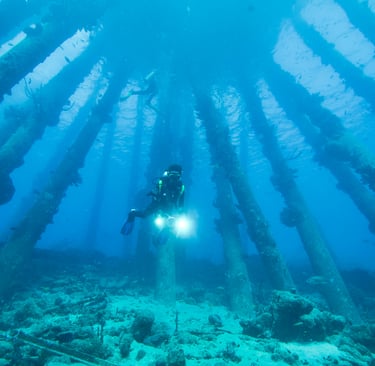
Salt Pier, a facility pier transformed into an alien-like coral reef, attracts octopus, seahorses, schools of baitfish, and macro life among its coral-encrusted pillars.
Bari Reef, accessible from shore, is ranked as one of the most biologically diverse sites in the Caribbean. Expect sightings of seahorses, barracuda, octopus, tarpon, and large reef fish.
The Hilma Hooker, a sunken freighter resting at about 30 meters, now hosts encrusted coral and abundant marine species, making it popular for intermediate divers.
You’ll likely see turtles, eagle rays, moray eels, frogfish, and abundant tropical reef fish. Beginners and experienced divers alike appreciate the ease and variety.
Planning & Conservation Practices
Bonaire’s marine park—established in 1979 and managed by STINAPA—protects the entire coastline and regulates diving entry fees, vessel anchoring, and reef contact to maintain ecosystem health. Instructors do not allow gloves to be worn while diving to prevent coral damage. Park tags support conservation efforts and divers pay an annual marine park fee.
Dive Logistics & Local Tips
Most dive shops offer drive-and-dive packages, including pickup trucks, unlimited tank fills, and site guides. Yellow rocks along the coast mark each designated dive spot with its name—making self-guided diving simple and intuitive.
Temperatures range around 25–29°C (78–84°F) and a 3 mm wetsuit or even just a rash guard is usually enough. Bonaire lies outside hurricane zones, making diving reliable year-round. Peak conditions are between April and November.
Night diving is also excellent, offering the chance to find seahorses, octopus, and nocturnal life at calm sites like Windsock and Ol’ Blue.
Why Bonaire Stands Out
With its fringing reef just a few meters from land, thoughtful conservation, consistent weather, and unmatched ease of access, Bonaire gives every diver—from learners to tech aficionados—a chance to shine underwater. Diving here isn’t a night dive, it's a way of life.
Happy and safe diving,
The ScubaBlast Team
Scuba.com. (2024, August 16). Bonaire, the Shore Diving Capital of the World. Retrieved from https://www.scuba.com/blog/bonaire-the-shore-diving-capital-of-the-world/
DiveScover.com. (n.d.). Canary dive site summaries. Retrieved from https://divescover.com/dive-sites/spain/canary-islands
SCUBA News. (n.d.). Diving in the Canary Islands (Ultimate Guide). Retrieved from https://news.scubatravel.co.uk/ultimate-guide-diving-canary-islands.html
PADI. (n.d.). Scuba diving in the Canary Islands. Retrieved from https://www.padi.com/diving-in/canary-islands/
"Disclosure: This post may contain affiliate links, meaning I get a commission if you decide to make a purchase through my links, at no cost to you."