
Debunking Myths About Shark Conservation
Explore common shark conservation myths and the truth behind them. Learn how divers can support shark protection and better understand these misunderstood predators.
PRESERVING OUR GREAT LAKES AND OCEANS WHILE SCUBA DIVING
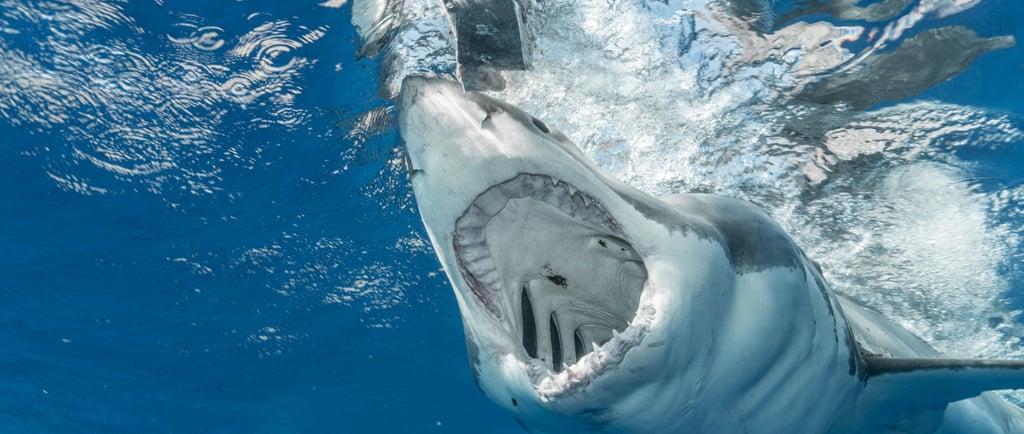
Debunking Myths About Shark Conservation
Sharks are some of the ocean’s most important predators, yet they are surrounded by misconceptions that can hinder conservation efforts. For divers, understanding the facts helps protect both sharks and our diving experience. Here are some common myths—and the truth behind them:
Myth: Sharks Are Mindless Killers
Reality: Sharks are highly evolved, intelligent predators with specific hunting behaviors. Most species pose little threat to humans. Divers can safely encounter sharks by respecting their space, avoiding sudden movements, and staying aware of body language. Understanding their behavior helps prevent unnecessary fear and promotes safe, responsible diving.Myth: Shark Populations Are Thriving
Reality: Many shark species are declining due to overfishing, bycatch, and habitat loss. Divers can contribute by supporting marine protected areas, choosing eco-conscious dive operators, and reducing consumption of unsustainable seafood. Every diver who advocates for shark conservation helps maintain balanced reef ecosystems.Myth: Feeding Sharks Helps Conservation
Reality: Shark feeding can alter natural behavior, increase aggression, and make sharks dependent on humans. Instead, divers should observe sharks in their natural environment and document sightings for research or citizen science programs. This provides valuable data without disrupting behavior.Myth: Sharks Don’t Need Our Attention Because They’re at the Top of the Food Chain
Reality: Apex predators are vulnerable to ecological changes. Overfishing and habitat destruction reduce prey availability and disrupt entire marine food webs. Divers can educate others and support conservation campaigns that focus on protecting both sharks and the broader ecosystem.Myth: All Sharks Are Big and Dangerous
Reality: There are over 500 species of sharks, many small and non-threatening. Species like reef sharks or epaulette sharks are critical to reef health and fascinating to observe. Knowing species-specific behavior improves safety and appreciation while diving.Myth: Shark Conservation Is Expensive or Complicated
Reality: Small actions by divers—like logging sightings, following dive codes, and using reef-safe sunscreen—add up. Even sharing accurate information with other divers helps dispel myths and builds community support for conservation.
By debunking these myths, divers can approach sharks with knowledge, respect, and curiosity rather than fear. Understanding the reality of shark conservation enhances both the diving experience and the health of the marine environment.
Happy and safe diving,
The ScubaBlast Team
Compagno, L. J. V. (2020). Sharks of the World: Conservation and Biology. FAO Fisheries Technical Paper.
PADI. (2023). Shark conservation tips for divers. Retrieved from https://www.padi.com/scuba-diving/conservation
National Geographic. (2022). Shark populations in decline. Retrieved from https://www.nationalgeographic.com/animals/article/sharks