Dangerous Marine Life in the Great Lakes and How to Avoid Them
Discover the most dangerous marine life in the Great Lakes and learn simple tips to stay safe on your next dive or swim.
SCUBA DIVING SAFETY
Dangerous Marine Life in the Great Lakes and How to Avoid Them
While the Great Lakes don’t host sharks, stingrays, or jellyfish like saltwater destinations, that doesn’t mean you’re free from aquatic hazards. Several native and invasive species can pose risks to divers, swimmers, and anglers—especially those unaware of what to look out for.
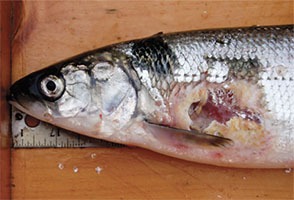
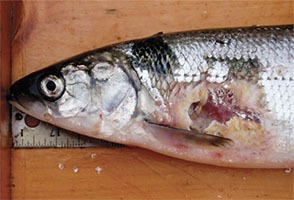
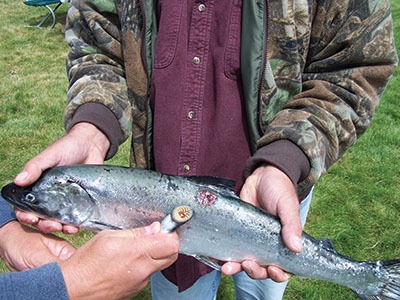
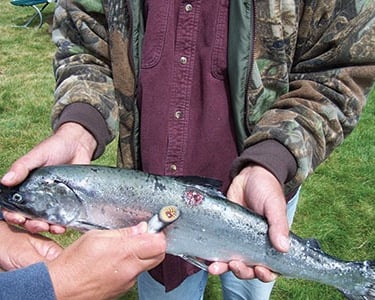
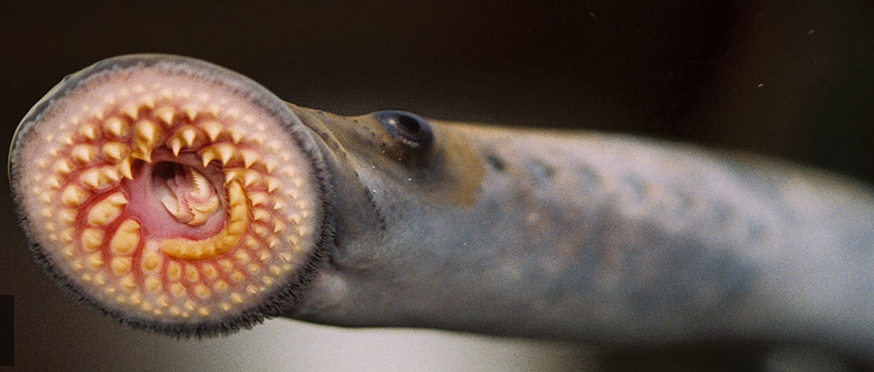
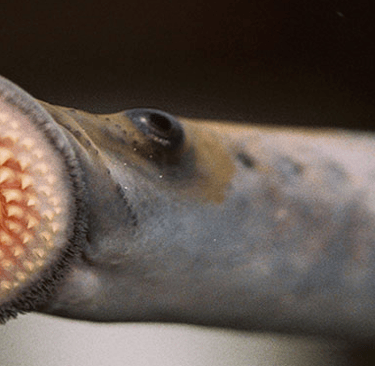
One of the most common concerns is the sea lamprey, a parasitic fish with a mouth full of razor-sharp teeth. Though they don’t typically target humans, accidental contact can happen. Their suction and bite can leave painful marks, and infections are a possibility if wounds aren't treated. They’re more of a nuisance than a predator, but best avoided all the same.
Another potential threat is the snapping turtle. These large, prehistoric-looking reptiles are usually shy but can become aggressive if cornered or surprised. They have powerful jaws capable of inflicting serious injury. If you’re diving near rocky lake bottoms or inlets, give them space and avoid sudden movements.
Zebra and quagga mussels, while tiny, can be dangerous in another way: their sharp shells line rocks, shipwrecks, and even dock ladders. A careless grab or misplaced step can result in deep cuts that are slow to heal. Wearing gloves and dive boots is a smart move for both safety and comfort.
Some divers also report painful encounters with freshwater jellyfish. These small, transparent creatures occasionally appear in the Great Lakes during the summer. While they’re not dangerous to most people, those with sensitive skin or allergies might experience mild stinging or irritation.
Lastly, don’t forget the human-related hazards that sometimes go overlooked. Rusty metal debris, fishing lines, and lost tackle can all cause injuries, and some areas may have poor visibility that makes these dangers harder to spot. Always dive with a buddy, use a dive flag, and research your chosen site beforehand.
While the Great Lakes don’t compare to the ocean in terms of marine life threats, they have their own set of hazards worth understanding. Awareness, proper gear, and cautious movement go a long way in ensuring your freshwater adventures stay safe and enjoyable.
Happy and safe diving,
The ScubaBlast Team
Great Lakes Fishery Commission. (n.d.). Sea Lampreys. https://www.glfc.org/sea-lamprey.php
National Park Service. (n.d.). Freshwater Mussels and Snails. https://www.nps.gov/miss/learn/nature/mussels.htm
Live Science. (2023). Are There Jellyfish in the Great Lakes? https://www.livescience.com/jellyfish-great-lakes
Michigan DNR. (n.d.). Turtles of Michigan. https://www.michigan.gov/dnr/education/michigan-species/reptiles/turtles
"Disclosure: This post may contain affiliate links, meaning I get a commission if you decide to make a purchase through my links, at no cost to you."
All photos courtesy of the Great Lakes Fishery Commission