
Choosing the Right Exposure Suit for Safety and Comfort
Learn how to choose the right exposure suit—wetsuit, drysuit, or dive skin—for your diving environment. Stay safe, warm, and comfortable underwater.
SCUBA DIVING SAFETY
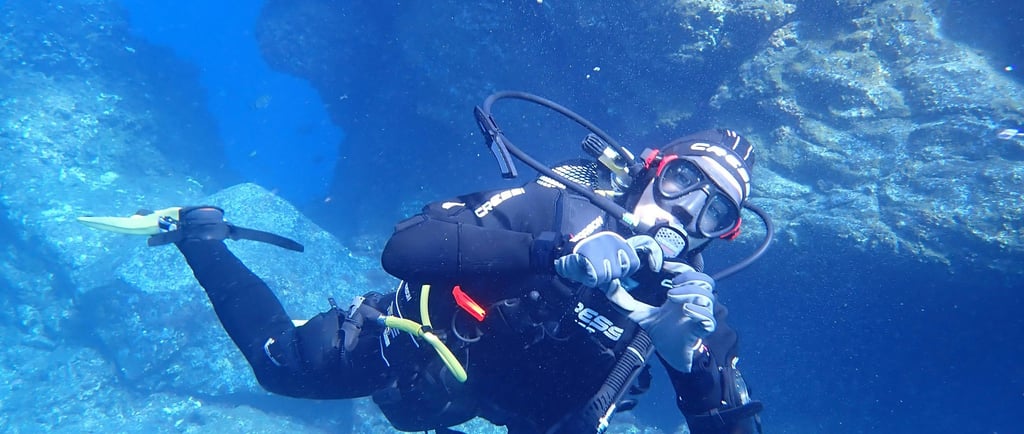
Choosing the Right Exposure Suit for Safety and Comfort
Your exposure suit does more than keep you warm—it protects you from sunburn, stings, and scrapes, and helps you maintain energy throughout your dive. Selecting the right suit based on water temperature, dive type, and location is essential for both comfort and safety. Here’s how to make the best choice for your next underwater adventure.
Wetsuits: The most common choice
Wetsuits are made of neoprene and trap a thin layer of water against your skin, which your body warms. These suits come in different thicknesses (3mm, 5mm, 7mm) depending on the water temperature. A 3mm wetsuit is ideal for warm tropical waters (75°F and above), while a 7mm suit is more suitable for cooler temperatures (below 65°F).
Look for suits with sealed seams and a snug fit without restricting movement. If you're diving frequently or planning deeper or repetitive dives, a thicker wetsuit or layering with a vest or hood can improve warmth.
Drysuits: For cold and extreme conditions
Drysuits are best for cold water diving, often below 60°F. They keep you completely dry by sealing at the wrists and neck, using air insulation instead of water. Unlike wetsuits, drysuits require training to manage buoyancy, but they offer superior thermal protection and the flexibility to adjust insulation layers underneath.
If you’re diving in places like the Great Lakes, Northern Pacific, or Arctic regions, a drysuit is the safest and most comfortable option.
Dive skins: Lightweight protection
Dive skins offer minimal thermal protection but serve as a lightweight barrier against sun, stings, and abrasions. Ideal for warm tropical waters (above 80°F), they’re especially useful for snorkelers or divers doing multiple shallow dives in one day.
Though not a thermal insulator, a dive skin is excellent when paired with other gear or worn under a wetsuit for easier donning and added protection.
Other considerations
Fit matters: An exposure suit that’s too loose won’t insulate well. One that’s too tight can restrict movement and circulation. Try before you buy.
Zipper placement: Back zips are common, but front zips offer easier self-entry. Look for smooth seams and quality zippers.
Accessories: Don’t forget hoods, gloves, and booties. They can significantly reduce heat loss, especially in cooler water.
A proper exposure suit boosts comfort, prevents hypothermia, and allows you to focus on the dive—not the cold. Match your suit to your environment, maintain it well, and your dives will be warmer, safer, and much more enjoyable.
Happy and safe diving,
The ScubaBlast Team
Divers Alert Network. (n.d.). Choosing Exposure Suits. https://dan.org/gear-up/exposure-protection/
PADI. (2023). How to Choose the Right Wetsuit for Scuba Diving. https://www.padi.com/articles/choose-scuba-wetsuit
Scuba Diving Magazine. (2019). Wetsuit, Drysuit, or Dive Skin? https://www.scubadiving.com/exposure-suit-guide
National Oceanic and Atmospheric Administration. (n.d.). Cold Water Diving Safety Tips. https://www.omao.noaa.gov/learn/diving-safety